
Third Trimester: Best Exercises, Foods & Tips for a Normal Delivery

Share
Third Trimester: Exercises, Nutrition & Tips for a Normal Delivery
The third trimester is your golden window to prepare your body and mind for labour. What you eat, how you move, and how you manage stress in these final weeks can make a significant difference to your birth experience. This guide covers safe exercises, the best foods to nourish your growing baby, and ten evidence-backed tips to maximise your chances of a normal delivery.
Safe Third Trimester Exercises for Normal Delivery
Staying gently active in the third trimester strengthens the muscles needed for labour, improves stamina, encourages optimal baby positioning, and eases common discomforts. Always check with your doctor or midwife before starting or continuing any exercise routine.
1. Walking
A 20-30 minute daily walk is one of the safest and most beneficial exercises in the third trimester. It improves circulation, helps manage weight gain, reduces swelling, and encourages the baby into the head-down position needed for a vaginal delivery.
2. Pelvic Floor Exercises (Kegels)
Kegel exercises strengthen the pelvic floor - the group of muscles that supports your uterus, bladder, and bowel. Strong pelvic floor muscles can make pushing during labour more effective and speed up postpartum recovery. To perform: tighten the muscles you would use to stop urination, hold for 5-10 seconds, then release. Repeat 10-15 times, three times per day.
3. Squats
Squats open the pelvis, encouraging the baby to descend into the birth canal. They strengthen the thighs and glutes - muscles that work hard during labour. Use a wall, chair, or your partner for support. Aim for 10-15 repetitions per session.
4. Prenatal Yoga
Prenatal yoga improves flexibility, reduces anxiety, and — crucially — teaches the breathing and visualisation techniques that are invaluable during active labour. Many poses are specifically designed to relieve third trimester back pain and encourage optimal baby positioning.
5. Butterfly Stretch
Sit on the floor with the soles of your feet together and gently press your knees toward the ground. Hold for 20-30 seconds. This hip-opening stretch reduces pelvic stiffness and helps prepare the joints and ligaments for birth.
6. Swimming
Swimming is exceptionally well suited to the third trimester. The water supports your extra weight, relieving pressure on joints and the lower back, while providing a gentle full-body cardiovascular workout. It also helps reduce swelling in the feet and ankles.
Exercises to Avoid: Lying flat on your back after Week 28, high-impact sports, contact sports, holding your breath during exertion, and any activity that causes pain, dizziness, or shortness of breath.
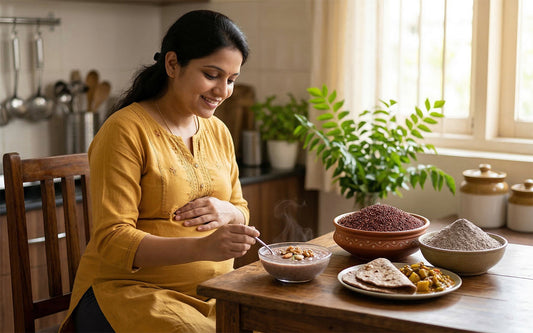
What to Eat in the Third Trimester of Pregnancy
Your baby gains approximately 50% of its total birth weight during the third trimester. Every meal is an opportunity to support that growth. Focus on nutrient-dense whole foods and stay well hydrated - aim for at least 8-10 glasses of water daily.
|
Nutrient |
Why It Matters |
Best Food Sources |
|
Calcium |
Bone & teeth development |
Milk, yoghurt, paneer, broccoli |
|
Iron |
Prevents anaemia |
Spinach, lentils, red meat, cereals |
|
Omega-3 (DHA) |
Brain and eye development |
Fatty fish, flaxseeds, walnuts |
|
Fibre |
Relieves constipation |
Oats, whole grains, fruits, veggies |
|
Protein |
Tissue growth for baby |
Eggs, chicken, legumes, dairy |
|
Immune function & iron absorption |
Oranges, amla, guava, bell peppers |
|
|
Folate / B9 |
Cell & neural development |
Dark greens, lentils, avocado |
|
Magnesium |
Reduces leg cramps, aids sleep |
Nuts, seeds, dark chocolate, bananas |
Foods to Avoid in the Third Trimester
• Raw or undercooked fish, meat, and eggs
• High-mercury fish (shark, swordfish, king mackerel, tilefish)
• Unpasteurised dairy products and soft cheeses
• Processed junk food, high-sodium snacks, and sugary drinks
• Caffeine above 200mg per day (roughly one cup of coffee)
• Alcohol — avoid completely throughout pregnancy
Tip for Heartburn: Eat smaller, more frequent meals rather than three large ones. Avoid lying down immediately after eating, and prop your upper body slightly when sleeping to reduce acid reflux — very common in the third trimester.
10 Expert Tips to Prepare for a Normal Delivery
A normal (vaginal) delivery is the natural process of giving birth, and most healthy pregnancies can achieve it with the right preparation. Here are ten tips backed by midwives and obstetricians:
1. Attend Antenatal Classes: Childbirth education reduces fear, builds confidence, and teaches breathing and pushing techniques.
2. Practice Breathing Daily: Deep diaphragmatic breathing and slow exhalation are your most powerful pain management tools during contractions.
3. Do Perineal Massage from Week 34: Gentle massage with almond or olive oil increases tissue elasticity, reducing the risk of tearing during delivery.
4. Maintain Healthy Weight Gain: Guided by your doctor, appropriate weight gain reduces complications and supports a natural birth.
5. Stay Upright in Early Labour: Walking, swaying, or using a birthing ball during early labour speeds up dilation and helps the baby descend.
6. Write a Birth Plan: Communicate your preference for a normal delivery, your pain management choices, and your support team to your healthcare providers in writing.
7. Manage Stress and Fear: Anxiety can slow labour. Meditation, journaling, prenatal yoga, and talking to a doula or counsellor can all reduce birth fear significantly.
8. Confirm Baby's Position at Week 36: Ask your doctor or midwife to confirm the head-down (cephalic) position. If not, certain exercises or medical procedures (ECV) may help turn the baby.
9. Prioritise Sleep: Sleep on your left side (with a pregnancy pillow) to improve blood flow to the placenta. Rest is how your body builds reserves for labour.
10. Stay in Regular Contact with Your Doctor: Attend all scheduled antenatal appointments. These check-ups monitor your blood pressure, baby's position, and any risk factors in real time.
Hospital Bag Checklist (Pack at Week 35-36)
For Mum
• Hospital documents, ID, insurance card, and printed birth plan
• Comfortable, loose nightgown or labour gown
• Slippers, socks, and a warm dressing gown
• Nursing bras (2-3) and breast pads
• Toiletries: toothbrush, shampoo, lip balm, hair ties
• Healthy snacks and an insulated water bottle
• Loose, comfortable going-home outfit
• Phone charger and headphones
For Baby
• Onesies and sleepsuits in newborn and 0-3 month sizes
• Swaddle blankets (2-3)
• Soft hat, socks, and scratch mittens
• Going-home outfit
• Nappies and gentle fragrance-free baby wipes
• Installed, safety-checked infant car seat
Medical Disclaimer: This content is for informational purposes only and does not constitute medical advice. Always consult a qualified healthcare professional, doctor, or midwife for guidance specific to your pregnancy and health needs.