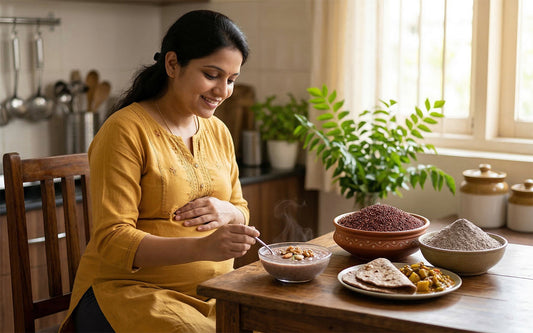

Ragi During Pregnancy: Why This Ancient Grain Deserves a Place on Your Plate

Share
When you're pregnant, every food choice feels like it carries a little extra weight - because, honestly, it does. You're eating for yourself and for the tiny human growing inside you. Among all the superfoods and pregnancy must-haves that float around the internet, ragi (also known as finger millet or nachni) often doesn't get the spotlight it deserves.
At Zizuka, we believe that some of the most powerful nutrition comes not from exotic supplements, but from grains that have nourished generations of Indian families. Ragi is one of those quietly powerful foods - and if you're pregnant, it might just become your new best friend.
What Exactly is Ragi?
Ragi is a tiny, reddish-brown grain that has been cultivated in South Asia and parts of Africa for thousands of years. In South India, it's a daily staple - ground into flour for rotis, porridge (kanji), dosas, and ladoos. In Karnataka and Andhra Pradesh, ragi mudde (a firm ball of cooked ragi) is comfort food from childhood.
Unlike refined grains, ragi is eaten in its whole form, which means all its nutrients stay intact. And when it comes to pregnancy nutrition, that distinction makes a real difference
Nutritional Profile of Ragi (Per 100g)
Before we talk benefits, here's a quick look at what makes ragi nutritionally impressive:
• Calcium: ~344 mg - one of the richest plant-based sources
• Iron: ~3.9 mg - supports healthy haemoglobin levels
• Dietary Fibre: ~3.6 g - aids digestion and blood sugar control
• Protein: ~7.3 g - supports foetal cell development
• Magnesium: ~137 mg - supports nerve and muscle function
• Vitamin B1 (Thiamine): helps convert food into energy
• Phosphorus: essential for bone and teeth formation
• Amino acids: particularly methionine and tryptophan
It's gluten-free, relatively low on the glycaemic index, and naturally whole grain. For a pregnant woman, that's quite a nutritional package in one small grain.
Top Benefits of Ragi During Pregnancy
1. Builds Strong Bones - For You and Your Baby
Pregnancy draws heavily on your calcium reserves. Your growing baby needs calcium for developing bones, teeth, heart muscles, and nerves. If your diet doesn't supply enough, your body pulls it from your own bones - which can lead to long-term issues like reduced bone density.
Ragi contains significantly more calcium than most cereals - even more than milk per gram. Including ragi regularly during pregnancy can meaningfully contribute to your daily calcium intake, especially important during the second and third trimesters when foetal bone mineralisation is at its peak.
2. Fights Pregnancy Anaemia
Iron deficiency anaemia is extremely common during pregnancy - in India, estimates suggest that more than half of pregnant women are anaemic. It can lead to fatigue, breathlessness, low birth weight, and complications during delivery.
While ragi is not as iron-rich as spinach or lentils, it contributes meaningfully to your daily iron needs. More importantly, ragi also contains Vitamin C (when eaten as a fresh porridge or with citrus-based chutneys), which enhances iron absorption. Pairing ragi with a squeeze of lime or amla can amplify its iron benefits.
3. Manages Blood Sugar Levels
Gestational diabetes affects a significant number of pregnancies and can have serious implications for both mother and baby. Ragi's high dietary fibre content and its polyphenols slow down the absorption of glucose into the bloodstream, helping to keep blood sugar spikes in check.
Ragi has a lower glycaemic index compared to white rice or refined wheat flour. For pregnant women who are pre-diabetic or managing gestational diabetes, ragi can be a smarter carbohydrate choice. Of course, always discuss dietary changes with your healthcare provider.
4. Supports Healthy Digestion
Constipation is one of the most common (and least talked about) complaints during pregnancy. Hormonal changes slow down your digestive system, and as your uterus grows, it puts pressure on the intestines.
Ragi is rich in both soluble and insoluble fibre. This helps add bulk to stools, promotes regular bowel movements, and keeps gut bacteria happy. A daily bowl of ragi porridge in the morning can work wonders for digestive comfort.
5. Supports Foetal Brain Development
Ragi contains the essential amino acid tryptophan, which plays a role in serotonin synthesis - a neurotransmitter important for brain development. While more research is ongoing, this makes ragi an interesting food from a neurological development perspective.
Its magnesium content also supports healthy nerve function and muscle relaxation - helpful during pregnancy when cramps are a frequent complaint.
6. Boosts Energy Naturally
Pregnancy fatigue is real. Between the hormonal shifts, the extra weight, and the body working overtime, many women feel exhausted, especially in the first and third trimesters.
Ragi provides complex carbohydrates that break down slowly, giving you a sustained energy release rather than a short spike and crash. Starting your day with ragi porridge or ragi rotis can help you stay energised for longer without that mid-morning slump.
7. Helps with Weight Management
Healthy weight gain is a normal and necessary part of pregnancy, but excessive weight gain can increase the risk of gestational diabetes, hypertension, and delivery complications. Ragi's high fibre content keeps you fuller for longer, reducing the likelihood of unnecessary snacking.
It's a filling grain without being calorie-dense, making it a great addition to a balanced pregnancy diet.
8. Naturally Gluten-Free
For women with gluten intolerance or coeliac disease, finding nutritious grains during pregnancy can be a challenge. Ragi is naturally gluten-free, making it an excellent alternative to wheat-based products, without compromising on nutrition.
How Much Ragi Is Safe During Pregnancy?
While ragi is highly nutritious, moderation is key - as it is with anything during pregnancy. Most nutritionists recommend consuming around 1–2 servings of ragi per day (roughly 100–150g of ragi flour or cooked ragi). Excessive consumption might lead to digestive discomfort or interfere with mineral absorption due to oxalic acid content.
If you're new to ragi, start small - a small bowl of porridge a few times a week - and gradually increase as your body adjusts. If you have any kidney-related concerns, consult your doctor before adding it regularly.
Easy and Delicious Ways to Eat Ragi During Pregnancy
Ragi Porridge (Kanji)
The simplest preparation. Mix ragi flour with water, cook it until thick, and sweeten with jaggery or banana. Add a pinch of cardamom and a drizzle of ghee. This is gentle on the stomach and works beautifully as a breakfast or evening snack.
Ragi Roti
Swap out one of your wheat rotis for a ragi roti. Ragi dough is slightly denser, so mixing it with a little wheat flour makes rolling easier. Serve with dal, sabzi, or a simple coconut chutney.
Ragi Ladoo
A nourishing sweet treat - dry roast ragi flour, mix with jaggery, ghee, and nuts, and shape into ladoos. High in iron, calcium, and energy. Excellent for the third trimester when your nutritional needs are highest.
Ragi Dosa or Idli
Fermented ragi batter (ragi + urad dal) makes for light, digestible dosas and idlis. The fermentation process also enhances the bioavailability of nutrients.
Ragi in Smoothies
Cooked and cooled ragi porridge can be blended into smoothies with banana, almond milk, and a spoon of peanut butter for a filling, nutritious drink.
A Word from Zizuka
At Zizuka, we're passionate about nutrition that's rooted in real food - foods that your grandmother recognised, foods that have been trusted for generations, and foods that actually work. Ragi is exactly that kind of food.
Pregnancy is a time when your body is doing something extraordinary. Supporting it with wholesome, nutrient-dense foods like ragi is one of the most loving things you can do for yourself and your baby.
As always, consult your gynaecologist or a registered dietitian before making significant changes to your diet during pregnancy. Every pregnancy is different, and what works beautifully for one person may need adjustment for another.
Have you tried ragi during your pregnancy? We'd love to hear your favourite recipe - share it with us in the comments below!
Getting ready for your little one's arrival? Our hospital bag checklist for mom & baby and our guide to dragon fruit in pregnancy may help too, and when you're ready, our muslin hospital kits have baby's first essentials covered.
Frequently Asked Questions
Is ragi safe to eat every day during pregnancy?
Yes, ragi is generally safe for daily consumption in moderate amounts. Start with one serving a day and ensure you're eating a varied diet alongside it.
Can ragi help prevent anaemia in pregnancy?
Ragi does contain iron and, combined with Vitamin C-rich foods, can contribute to preventing iron deficiency. However, if you've been diagnosed with anaemia, consult your doctor about whether ragi alone is sufficient or whether you need additional supplementation.
Is ragi better than oats for pregnancy?
Both are nutritious choices. Ragi has a higher calcium content, while oats are higher in protein. Including both in a weekly rotation gives you a broader range of nutrients.
Can ragi cause any harm during pregnancy?
Ragi contains oxalic acid, which in very high amounts can interfere with calcium and iron absorption, or contribute to kidney stones in susceptible individuals. Eating it in recommended amounts (1–2 servings/day) alongside a varied diet is safe for most healthy pregnant women.
If you're curious about other pregnancy-safe fruits, read our guide on dragon fruit during pregnancy