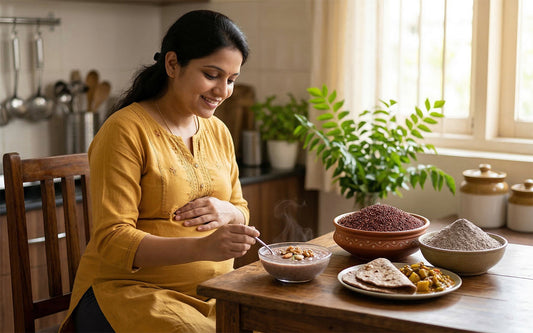

How to Manage Morning Sickness During Pregnancy

Share
Morning sickness and pregnancy
If you're in your first trimester and feeling nauseous, know that you're not alone. Morning sickness affects many pregnant women, usually between the 6th and 12th weeks, though it can last longer for some. Despite its name, morning sickness can happen at any time of day.
What is Morning Sickness?
Morning sickness is the nausea and vomiting many pregnant women experience, most commonly between weeks 6 and 12 of the first trimester. Despite its name, it can strike at any time of day — morning, afternoon, or even the middle of the night.
The main culprit is your rapidly rising hormone levels, particularly human chorionic gonadotropin (hCG) and estrogen. As your body works hard to nourish the new life growing inside you, these hormonal shifts can leave your stomach feeling unsettled.
The reassuring news? For most women, morning sickness eases considerably by the second trimester. It’s a sign your pregnancy hormones are doing exactly what they should.
8 gentle tips to manage morning sickness
There’s no single cure, but a combination of small lifestyle changes can make a real difference to how you feel each day.
|
Eat little and often Replace 3 large meals with small snacks every 2–3 hours to keep your stomach settled. |
|
Snack before getting up Keep plain crackers on your nightstand and eat a few bites before you stand up. |
|
Stay hydrated Sip water steadily. If plain water feels off, try adding lemon or diluted juice. |
|
Lean on ginger Ginger tea, ginger biscuits, or ginger candies all have well-documented anti-nausea properties. |
|
Rest as much as you can Exhaustion worsens nausea. Your body is doing extraordinary work — let it rest. |
|
Identify and avoid triggers Strong smells, greasy foods, or certain textures can spark nausea. Notice patterns and avoid them. |
|
Keep a food diary Track what you eat and how you feel. Over time you'll spot safe foods and ones to skip. |
|
Accept help Let your partner, family, or friends step in. Asking for support is a strength. |
Best foods to eat when you have morning sickness
Finding food that feels safe can take some trial and error. These options are gentle on the stomach and popular among pregnant women in their first trimester.
|
Crackers & plain toast Bland and dry — ideal for calming an uneasy stomach, especially first thing in the morning. |
|
Bananas Easy to digest, rich in potassium, and gentle when losing fluids through vomiting. |
|
Plain rice or mashed potato Simple starchy foods that soothe without overwhelming a sensitive stomach. |
|
Ginger tea Sip slowly throughout the day for gentle, natural nausea relief. |
|
Yogurt Cool and light, with calcium and probiotics to support digestion. |
|
Lemon water or lemon candy The sharp freshness of lemon cuts through nausea surprisingly well. |
|
Apples & applesauce Hydrating, light, and easy to digest — a gentle source of fibre too. |
|
Peppermint tea The cooling sensation can settle queasiness — try it hot or at room temperature. |
|
Smoothies Blend banana, yogurt, and a little honey for something nutritious and soothing. |
|
Cucumber slices Fresh, cool, and very easy on the stomach — a refreshing snack option. |
When to call your doctor
Morning sickness is very common, but some symptoms warrant a call to your healthcare provider. Reach out if you notice any of the following:
|
You can't keep any food or water down for more than 24 hours |
|
You're losing weight due to excessive vomiting |
|
You feel dizzy or faint regularly |
|
Your urine is very dark — a sign of dehydration |
These can be signs of hyperemesis gravidarum — a more severe form of pregnancy sickness that is very treatable once diagnosed. Your doctor can recommend safe medications and supportive care.
Frequently asked questions
What causes morning sickness during pregnancy?
Rising levels of hCG and estrogen are the main drivers. These hormones surge rapidly in early pregnancy as the placenta develops, which is why nausea is most intense in the first trimester.
Can morning sickness happen at night?
Yes — the name is a little misleading. Nausea can strike at any time of the day or night, and some women feel it most in the evenings.
When does morning sickness usually end?
Most women find that it eases significantly by weeks 12–14, as hormone levels begin to stabilise. For some, it may linger a little longer into the second trimester.
Is morning sickness a sign of a healthy pregnancy?
Often, yes — studies suggest that nausea is associated with lower rates of miscarriage. But a lack of morning sickness doesn’t mean anything is wrong. Every pregnancy is different.
What foods help most with morning sickness?
Bland, dry, starchy foods tend to work best — crackers, plain rice, mashed potato, and plain toast. Ginger in any form (tea, biscuits, candies) and cold foods like yogurt or cucumber slices are also popular choices.
Morning sickness can be exhausting and frustrating — but it is just a phase. You are doing something extraordinary, and it’s okay to not feel your best every single day. Be gentle with yourself, lean on the people around you, and know that this too shall pass.
You’ve got this, mama.
Read next: our third trimester week-by-week guide. And to prepare for baby, explore newborn essentials from Zizuka's muslin cotton range.